Social Media Video Marketing Strategies for Small Businesses in 2026
Reading time: 9 minutes
Here’s an uncomfortable truth: your small business is probably still treating video like an afterthought. Meanwhile, your competitors are quietly stacking views, followers, and sales through fifteen-second clips shot on a phone that cost less than your monthly ad budget. If that stings a little, good—that means you’re ready to fix it.
Table of Contents
- Why Video Marketing Can’t Be Ignored Anymore
- Platform-by-Platform Strategy Breakdown
- Building a Sustainable Content Engine
- Common Challenges (and How to Beat Them)
- Performance Snapshot: Platform Comparison
- Real-World Examples That Prove the Model Works
- FAQs
- Your Roadmap Forward
Why Video Marketing Can’t Be Ignored Anymore
Short-form video isn’t a trend anymore—it’s the default language of the internet. According to social platform reports circulating in early 2026, businesses posting video content at least three times weekly see engagement rates roughly 1.9 times higher than those relying solely on static images or text posts. Attention spans haven’t necessarily shrunk; they’ve just become more selective, and video simply earns more of it.
Here’s the straight talk: small businesses don’t need Hollywood budgets to win here. What they need is consistency, authenticity, and a willingness to experiment publicly—something large corporations, bogged down by approval chains, often can’t do quickly.
Quick Scenario: Imagine you run a small bakery. A polished commercial might cost thousands and take weeks to produce. But a 20-second video of dough being shaped at 5 a.m., captioned “Why your croissant takes 3 days to make,” could outperform that commercial in reach, cost, and emotional connection—all without hiring an agency.
Platform-by-Platform Strategy Breakdown
Short-Form Video: TikTok, Instagram Reels, and YouTube Shorts
These platforms reward speed and personality over polish. In 2026, algorithmic distribution still favors creators who post frequently and hook viewers within the first two seconds. Small businesses should treat these platforms as discovery engines, not sales pitches.
- Hook fast: Lead with a question, surprising fact, or bold visual—not your logo.
- Show process, not just product: Behind-the-scenes content consistently outperforms staged advertisements.
- Use trending audio strategically: Pair trends with your niche instead of copying them wholesale.
Long-Form and Community-Building Video: YouTube and Facebook
While short-form builds awareness, longer video builds trust. A 3-5 minute YouTube video answering a customer’s most common question (“How do I choose the right flooring for humid climates?”) positions your business as an authority, not just a seller. Facebook, meanwhile, remains surprisingly strong for local businesses targeting older demographics who still spend significant time in community groups.
Livestreaming: The Underused Trust Accelerator
Live video—whether a Q&A, product demo, or “ask me anything” session—consistently generates higher comment engagement than pre-recorded content. Marketing consultant Elena Vartanian noted in a 2026 industry panel: “Livestreaming is the closest digital equivalent to standing behind your counter and talking to a customer directly. Small businesses that use it regularly build loyalty faster than those relying purely on polished ads.”
Building a Sustainable Content Engine
The biggest mistake small businesses make isn’t poor video quality—it’s inconsistency. One viral video followed by three weeks of silence teaches the algorithm (and your audience) not to expect anything from you.
Practical Roadmap for Weekly Content
- Batch record monthly: Dedicate one afternoon to filming 8-10 short clips instead of scrambling daily.
- Repurpose ruthlessly: One long-form video can become five short clips, three quote graphics, and a newsletter feature.
- Track three metrics only: Watch time, shares, and saves—these matter more than raw view counts.
- Assign ownership: Even a part-time employee dedicating 3 hours weekly outperforms sporadic owner-led efforts.
Pro Tip: Treat your smartphone camera roll like inventory. Film “boring” daily moments regularly—unpacking shipments, prepping orders, answering questions—because context and storytelling can be added later. Raw footage is easier to edit into something compelling than it is to recreate after the moment has passed.
Common Challenges (and How to Beat Them)
Challenge 1: “We Don’t Have Time”
Solution: Shift from perfection to iteration. A slightly imperfect video posted today beats a perfect one scheduled for “someday.” Set a 20-minute cap on editing for short-form content.
Challenge 2: “We Don’t Know What to Post”
Solution: Build a rotating content framework—Monday: Educational tip, Wednesday: Behind-the-scenes, Friday: Customer story or testimonial. Structure removes decision fatigue.
Challenge 3: “Our Videos Get Views But No Sales”
Solution: Add a clear, low-friction next step in captions—”Comment ‘INFO’ for pricing” or “Link in bio for this week’s offer.” Views without direction rarely convert; views with a specific micro-action often do.
Performance Snapshot: Platform Comparison
| Platform | Best Use Case | Avg. Engagement Rate (2026) | Ideal Posting Frequency |
|---|---|---|---|
| TikTok | Discovery & Trend Participation | 5.8% | 4-6x weekly |
| Instagram Reels | Brand Personality & Product Highlights | 4.3% | 3-5x weekly |
| YouTube Shorts/Long-form | Authority Building & SEO | 3.6% | 2-3x weekly |
| Local Community & Older Demographics | 2.1% | 2-4x weekly | |
| B2B Trust & Thought Leadership | 2.8% | 1-3x weekly |
Visualizing Engagement Rates by Platform
Real-World Examples That Prove the Model Works
Case 1: A local coffee roastery in Portland began posting daily 15-second “bean origin” clips in early 2026. Within four months, foot traffic increased noticeably, with the owner attributing at least a third of new customers directly to TikTok discovery.
Case 2: A boutique skincare brand used Instagram Reels to document product testing failures, not just successes. This vulnerability-driven content outperformed their polished ads by nearly triple the engagement, proving that authenticity often beats aesthetics.
Case 3: A regional HVAC company started answering common customer questions via short YouTube videos. Within six months, several videos ranked on search results for local “AC repair” queries, generating consistent organic leads without additional ad spend.
FAQs
Do I need expensive equipment to start video marketing?
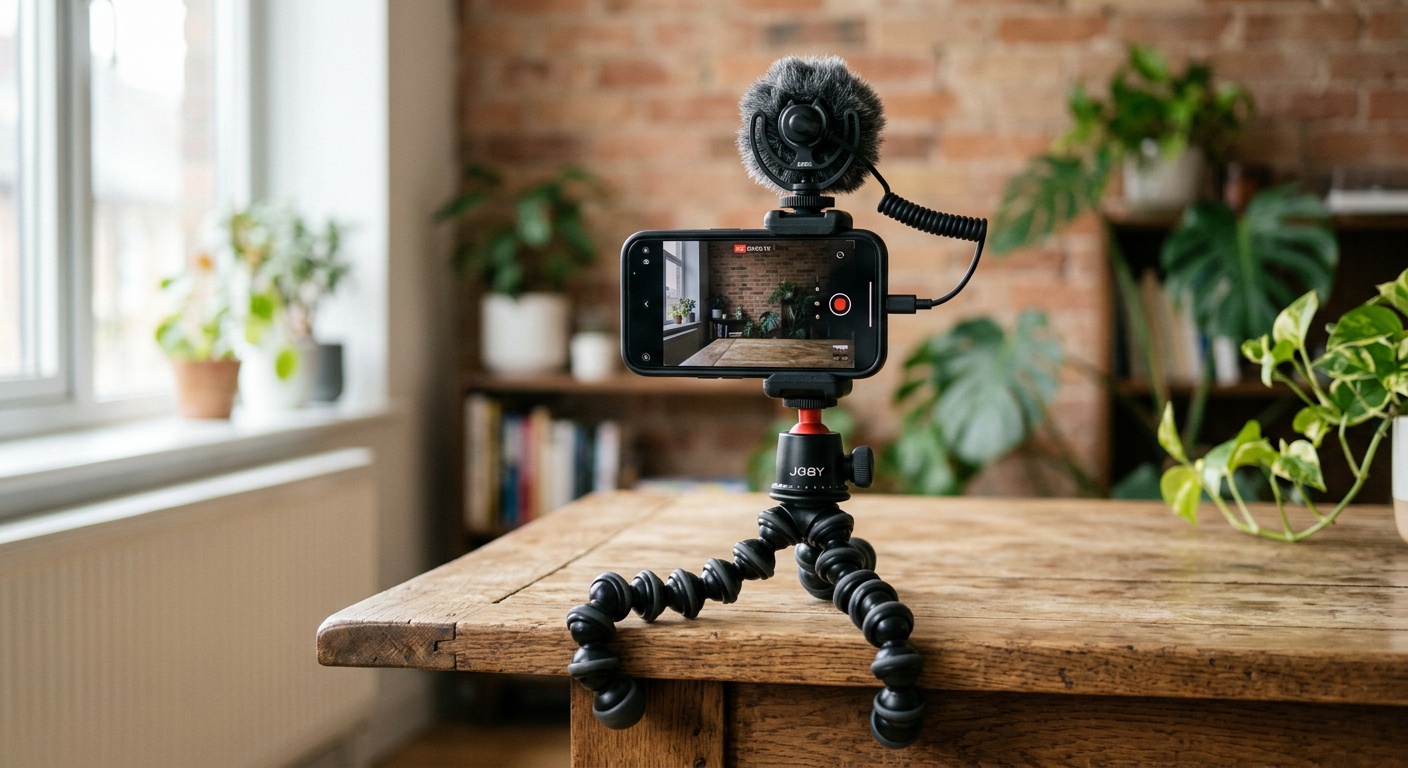
No. A modern smartphone, natural lighting, and a stable surface (or inexpensive tripod) are enough to start. Audio quality often matters more than video resolution—consider a $30 clip-on microphone before investing in cameras.
How often should a small business actually post video content?
Consistency beats frequency. Three well-planned videos weekly, sustained over months, will outperform ten videos posted once and abandoned. Pick a realistic cadence you can maintain for at least 90 days before evaluating results.
Which platform should a small business prioritize first?
Start where your existing customers already spend time. Local service businesses often see faster traction on Facebook and Instagram, while product-based or younger-demographic brands typically perform better prioritizing TikTok and Reels.
Your Roadmap Forward
Video marketing in 2026 isn’t about chasing every trend—it’s about building a repeatable system that reflects your business’s genuine personality. As algorithms continue favoring authentic, native-feeling content over polished advertisements, small businesses actually hold a structural advantage over larger, slower-moving competitors.
- Step 1: Choose one primary platform based on where your customers already are.
- Step 2: Batch-record content monthly to remove daily decision fatigue.
- Step 3: Track watch time and saves, not just views.
- Step 4: Add a clear next step in every caption.
- Step 5: Commit to 90 days before judging results.
You don’t need to become a videographer overnight—you need to become consistent, curious, and willing to show up imperfectly. So, what’s stopping you from filming your first video today?
About the Author
